Sentiment vs. Market Value: Rethinking How Property Is Valued in Eswatini
Author
Mlamisi Mdluli
Contributor
Published
Reading time
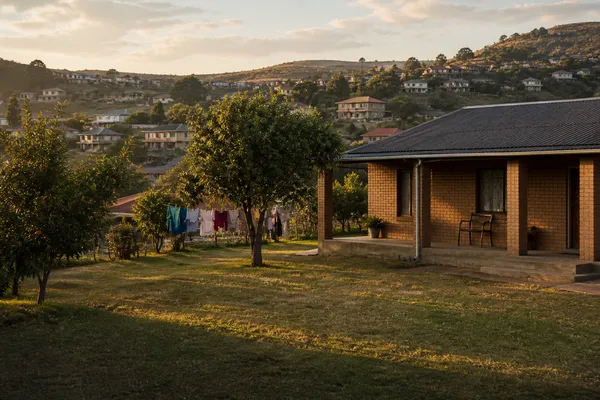
A homestead can be priceless to the family who built it and precisely priced to a lender. In Eswatini those two figures are often treated as if they were the same.
Two answers to "what is it worth?"
Ask a family what their homestead is worth and the answer often has little to do with square metres, comparable sales, or the condition of the roof. It has to do with who built it, how long it has been in the family, and what it represents. Ask a bank the same question and the answer changes completely, shaped instead by formal appraisal methods, market comparables, and risk models designed to protect a lender rather than honour a history. In Eswatini, this gap between emotional valuation and market valuation is wider than most people realise, and it quietly shapes far more property decisions than is generally acknowledged.
Why formal valuation still matters
Formal valuation exists for good reason. Lenders need a defensible figure before releasing funds. Insurers need a basis for premiums. Estates need a fair number when property is divided among heirs. Yet formal valuation, however necessary, often struggles to capture what a homestead actually means to the people who live in it. A modest structure that would appraise for a relatively small sum on paper might represent decades of labour, sacrifice, and family milestones that no comparable sales report will ever reflect. When that gap goes unacknowledged, disagreements follow, whether between family members dividing an inheritance, sellers and buyers negotiating a price, or homeowners and lenders disputing a loan amount.
When prices are set by memory
There is also a quieter distortion at play, one rarely discussed openly. Because formal valuations remain relatively uncommon outside urban centres, many property owners in Eswatini simply do not know what their land or homestead is genuinely worth in market terms. Prices often get set instead by memory, by what a neighbour once sold for, or by what feels fair in the moment—figures that can drift far from reality in either direction. A seller might undervalue a well-positioned plot out of unfamiliarity with current demand, while another might overvalue a property based on sentimental attachment rather than what a buyer would actually pay. Both outcomes carry real financial consequences, and both stem from the same underlying issue: a lack of accessible, trusted valuation guidance reaching ordinary property owners.
Valuation as an ordinary service, not a crisis tool
This is where the property sector in Eswatini has genuine room to grow. Valuation should not remain something that only happens at the point of a bank loan or a legal dispute. It deserves to be treated as an ongoing, accessible service, one that helps families understand the real standing of an asset they may be holding onto for generations, long before a crisis forces the question. Greater access to fair, transparent valuation would not strip a homestead of its emotional meaning. It would simply give families and buyers alike a clearer picture to plan around, allowing sentiment and sound financial judgement to sit alongside each other rather than in conflict.
Ultimately, a house can hold two truths at once. It can be priceless to the family who built it and precisely priced to the market that will one day buy, sell, or lend against it. Recognising both, rather than pretending only one exists, is the only way property in Eswatini will be valued fairly, for the people living in it today and the ones who will inherit it tomorrow.